Symptoms of Low Thyroid

Many people’s understanding of hypothyroidism is that it is a condition that affects the thyroid glands ability to produce thyroid hormone. If thyroid hormone can’t be produced then symptoms of low thyroid function begin to present themselves.

But that’s not the only way to become hypothyroid. Hypothyroidism really refers to the inability to deliver an adequate amount of thyroid hormone to your cells. So, your thyroid gland might be producing thyroid hormone without a problem. But if there’s a problem that occurs between the time that it is produced and the time that it is delivered to your cells, then you also become hypothyroid. It doesn’t matter what the source of the problem is, it’s all described as low thyroid function.

The hormones produced by your thyroid gland are responsible for many different functions in the human body and therefore, when the gland isn’t producing enough, you will eventually develop symptoms of low thyroid function.

The condition is actually quite common. In fact, some figures indicate that at estimated ten million Americas suffer from one or more of the symptoms of low thyroid function.  It is not only very common, but the vast majority of these people have no idea they are suffering from the condition which is actually quite treatable with the right hypothyroidism treatment protocol.

First of all, let’s take a look at the thyroid gland to get an understanding of what exactly it is and what it does.  The thyroid is a tiny gland, shaped somewhat like a butterfly that is located in the front of your neck.

Though it’s small, its purpose is huge – to control the rate of function for each and every other gland and cell within your body.  That not only includes metabolism, but also growth and cell repair.

Symptoms of Low Thyroid in Women

The condition is more prevalent in women than in men; and especially in women over the age of 30.  Also, women who are about to begin menopause, or are going through menopause, have a tendency to display symptoms of low thyroid function more so than their younger counterparts.

This is because thyroid function is connected to the body’s other hormones including estrogen and progesterone.

The most common cause of hypothyroidism is inflammation of the thyroid gland, oftentimes caused by excessive estrogen. Excessive estrogen blocks the production of specific enzymes that signal the thyroid gland to release its hormones. When this occurs, thyroid hormone builds up causing thyroiditis or goiter. Watch for these symptoms:

  • Weight gain
  • Fatigue
  • Depression
  • Hair Loss
  • Sensitivity to cold
  • Difficulty swallowing

When any of these symptoms is present, simply eating per the right hypothyroidism diet plan can provide a significant boost to your thyroid function and drastically improve your symptoms.

Symptoms of Low Thyroid in Children and Teens

Hypothyroidism is most common in middle aged women; however, anyone can develop symptoms of low thyroid function, including babies, children and teenagers.

Babies often show no symptoms function until they are older. When they do display symptoms they are often associated with the following:

  • Yellowing of the skin
  • A large tongue that protrudes
  • Tendency to choke on foods or saliva
  • A puffy face
  • Poor muscle tone
  • Excessive sleeping

 For children and teens, symptoms are likely to include:

  • Low growth rate, shorter than others their age
  • Late development of second or permanent teeth
  • Early or late puberty

Like so many symptoms of low thyroid function, these can easily be attributed to other conditions.  That’s why it is so important to become familiar with the common symptoms of underactive thyroid so you can be aware of any which are manifesting in yourself or family members.

Symptoms of Low Thyroid in Men

Many men develop symptoms of low thyroid function as well.  Untreated, these symptoms can lead to some very frustrating conditions such as:

  • Sexual dysfunction
  • Muscle aches and cramps
  • Unexplained weight gain
  • Fatigue
  • Hair Loss
  • Depression

Remember that no matter what age you are, and whether you are a man or woman, symptoms of hypothyroidism can certainly interfere with your life if left untreated.

There are so many different symptoms that not all of them can be addressed here. Also, many of the tests used to determine if one has hypothyroidism are not always accurate. Because of this, the best way to determine if you have the disorder is to become aware of the many symptoms of low thyroid function so you can determine if you or your loved ones may be suffering from the disorder.
Signs of Hypothyroidism

One of the most overlooked conditions in both men and women is hypothyroidism.  Although in men the disorder is not quite as common as in women, they still experience similar troubling symptoms that often go undiagnosed. The reason for this is that the signs of hypothyroidism are not only numerous, but also tend to be incorrectly diagnosed as something else.

It’s important to understand the expansive role of the thyroid gland which is largely why it is responsible for causing so many symptoms of hypothyroidism. It determines how much energy your cells produce. The less energy they produce, the unhealthier they become. And because it affects all cells, these signs and symptoms can develop within any part of the body.

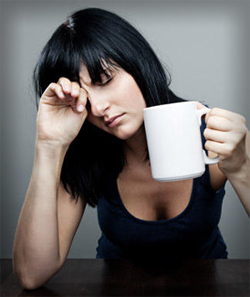
One of the first signs of hypothyroidism is often a feeling of being tired all the time. Fatigue that interferes with daily life is often really an early warning sign and oftentimes adopting the right hypothyroidism diet early enough can correct the problem and save you a lot of time and energy.

Another sign of hypothyroidism is weight gain.  When the body slows its metabolism, the natural result is that you start putting on extra pounds. Unlike weight that comes from overeating, weight gain due to hypothyroidism is difficult, if not impossible to shed.  Oftentimes, much of the weight gain can also be associated with water retention or edema. While weight gain and fatigue are two of the most frustrating signs of hypothyroidism, there are many other symptoms as well.

Unfortunately, most men believe they are unlikely candidates for hypothyroidism which causes them to overlook the real problem, especially when weight gain is not a problem. But hypothyroidism is growing amongst men as well making the right hypothyroidism treatment protocol just as important for men as it women.

Let’s take a look at some of the signs of hypothyroidism in men. You will note that while some are similar to the signs in women, some are exclusive to men.

Signs of Hypothyroidism in Men

Fatigue

One of the most prevalent signs of hypothyroidism in men is fatigue and/or a general feeling of overall weakness.  Your body never seems to have enough rest no matter how many hours of sleep you get at night.  Some men define the condition as “sluggishness,” or say they feel like they are moving in slow motion.

Unfortunately, most men ignore this, and many of the symptoms of low thyroid function, and chalk it up to the fact they are getting older, or that they had a bad day at the office. However, a man who experiences chronic fatigue, especially if no other physical problems are present, are more likely suffering from hypothyroidism.

Weight Gain

Men, as well as women, tend to experience weight gain when they develop hypothyroidism.  Men have a tendency to stop exercising when they are grossly fatigued, which over time develops into weight gain. For men, gaining weight is actually one of the later signs of hypothyroidism. Weight gain in spite of decreased appetite for food is a definite symptom.

Muscle Aches

Men who work at a job where physical labor is involved throughout the week are apt to ignore the signs of hypothyroidism.  Most will chalk up even the most uncomfortable muscle pain to the fact that they work hard. However, men with extreme pain, aches and/or cramps in their muscles, especially if they are experiencing any other symptoms, should take into consideration the fact that they may suffer from hypothyroidism.

Sexual Dysfunction

Most men suffering from hypothyroidism will experience some type of sexual dysfunction.  Decreased desire, erectile dysfunction, inability to ejaculate or premature ejaculation, are all signs of hypothyroidism in men.  This can cause severe concern which in turn can lead to depression if the disorder is not diagnosed and treated.  Fortunately most all cases of sexual dysfunction will be reversed once thyroid levels are brought back to normal.

Depression

Depression is also one of the strong signs of hypothyroidism in men who are otherwise healthy.  As the thyroid hormone levels decrease, the body becomes fatigued and the inability to do normal amounts of work or enjoy physical recreation can make a man feel self-defeated.  Usually when depression sets in, it begins as sense of feeling blue. Left untreated, however, hypothyroidism can lead to severe depression in men.

Loss of Hair

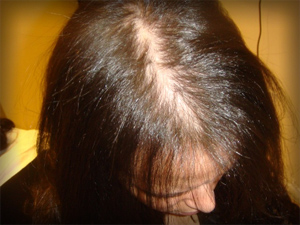
For men, hair loss caused by hypothyroidism is usually noticed first by a thinning of eyebrows. As the disorder continues, scalp hair can begin falling out as well.  Sudden hair loss, such as losing hair in clumps, or large amounts of hair left behind in the shower or sink, is often one of the more severe signs of hypothyroidism.

What is the solution?

It’s important to remember that the thyroid gland produces the hormones necessary for cell growth, metabolism and cell repair as well as sexual function.  Many men will fail to get the proper treatment because they don’t want to discuss some of these concerns with their physician. However, once diagnosed, with the proper treatment, the signs of hypothyroidism in men will be alleviated.

Hypothyroid Symptoms in Women

Hypothyroid symptoms are more common among women than men. This is largely due to estrogen’s role in suppressing thyroid function and women naturally have far more estrogen than men.  Because of this, the hypothyroid symptoms in women tend to be more correlated with hormonal cycles.

Hypothyroid symptoms in women are especially noticeable during adolescence, pregnancy, menopause, and peri-menopause. This is because these are the typical times when estrogen and progesterone levels are changing within a woman’s body. In fact, women who have a history of female hormone imbalance or menstrual issues almost always develop hypothyroidism at some point in life.

Unfortunately, many hypothyroid symptoms in women go undetected or misdiagnosed. The tests for thyroid hormones are not always accurate; thus leading many women who are suffering from low thyroid function to suffer a great deal as their health and sense of well-being decline steadily. This can be a frustrating and fearful experience.

As the years pass, these women will find themselves taking a long list of medications and prescriptions for various ailments, when in reality; the answer is that they have been suffering all along from one or more of the common hypothyroid symptoms in women.  The fact is, hypothyroid symptoms in women can be quite severe and sometimes life changing if not addressed.

It is therefore, crucial that women pay close attention to their bodies and especially their thyroid function and follow the right hypothyroidism treatment plan when necessary.  The best way to determine if you have a low thyroid is to determine if you are suffering from hypothyroid symptoms:

Let’s take a look at some of the more common symptoms:

Early Stage Hypothyroid Symptoms in Women

  • Unexplained fatiguehypothyroid symptoms in women
  • Oversensitivity to cold
  • Muscle aches
  • Joint aches
  • Weight gain
  • Constipation
  • Heavy menstrual cycles
  • Rough, dry skin
  • Hair that becomes coarse
  • Mental or emotional problems
  • Depression


Most of these hypothyroid symptoms in women will simply go unnoticed because they are so common.  It’s natural to consider them as separate problems altogether. However, if you find you are experiencing one or more of these, it might be a good idea to take a closer look at your body and how it’s functioning to determine if in fact, you are hypothyroid.

If these early hypothyroid symptoms in women remain untreated, the condition will naturally progress.  This is especially true for depression, which, when caused by a low thyroid function, has a tendency to lead to a major depressive state.

Other hypothyroid symptoms in women include physical changes that are not only uncomfortable, but sometimes embarrassing. Let’s take a look at some of the hypothyroid symptoms in women that are the result of not being treated properly for the condition.

Later Stage Hypothyroid Symptoms in Women

  • Face develops a round, puffy appearancehypothyroid symptoms in women
  • Eyes always look tired
  • Dry, rough skin that doesn’t respond to treatment
  • Hair loss
  • Intense muscle pain
  • Increased weakness
  • Mental confusion
  • Memory problems
  • Daytime sleepiness


Other Common Hypothyroid Symptoms in Women

Weight gain is one of the most noticeable hypothyroid symptoms in women.  Not only is low thyroid function responsible, but the additional lack of motivation due to fatigue and other symptoms only complicates things even further.

This added weight is because women with an underactive thyroid or hypothyroidism have a tendency to have a low resting, or basal, rate of metabolism. Unfortunately decreasing calories is not the solution to lose weight because you can only cut so many calories before you no longer get the necessary nutrients for your body to function and be healthy. Instead, it’s imperative to correct your thyroid function to increase or restore your metabolism. In other words, as long as you are hypothyroid, cutting calories is not going to help you lose weight.

This is why so many women get frustrated when they are trying to lose weight and nothing seems to work. Often, it isn’t that you have been overeating or lack exercise. It’s simply because you are hypothyroid.

Women suffering from hypothyroidism often spend most of their time dieting to no avail. Often they fall into the cycle of “yoyo” dieting which consists of starving and fasting, then binging and overeating.  Not only is this not good for your body, but it decreases your metabolic rate further, leaving you further in a state of hypothyroidism and making you more susceptible to other common hypothyroid symptom in women. It’s important to follow the right hypothyroidism diet to improve your thyroid function and boost your metabolism in a healthy way for weight loss.

Because of blood sugar issues associated with poor dietary habits as well as other forms of excessive stress, your stress hormones become affected as well. Your body will overproduce cortisol in an attempt to compensate and raise your blood sugar because your liver is unable to do its job. This results in sweet cravings, which if not balanced properly, leads to further weight gain.

You can see how having a problem with your thyroid can literally put your on a merry-go-round of symptoms that absolutely must be addressed.

If you find that you have any of the hypothyroid symptoms in women that are covered here, consider that the real problem may be that you’re unknowingly suffering from hypothyroidism. Even if you’ve tested negative for hypothyroidism, remember that current thyroid testing is very insufficient and more often than not leads to false negatives.


Underactive Thyroid Symptoms

Most of us have heard someone say they have an underactive thyroid and that maybe they suffer from some underactive thyroid symptoms. Most peoples first thought is that it has something to do with their ability to lose weight, but it’s important to start thinking much beyond that.

There is a major problem in chalking up an underactive thyroid as being “nothing important.” The fact is, underactive thyroid symptoms can be not only annoying, but also quite serious if not addressed with the right hypothyroidism treatment protocol.

Unfortunately, many people who have had a thyroid test assume that if it came back “normal” then their thyroid is in good shape.  This isn’t necessarily true. In fact many of the thyroid hormone tests are inaccurate, leading people to believe their thyroid is fine, when in reality they are suffering from underactive thyroid symptoms without even knowing it.

Your underactive thyroid symptoms are a result of hypothyroidism which is a condition that occurs when the thyroid gland is not producing enough hormones or when those hormones are not being properly delivered to your cells. In any event, all thyroid symptoms should be taken seriously because hypothyroidism is a serious condition that can greatly impact your quality and length of life.

Another word for underactive thyroid symptoms is “hypothyroidism.” What this means is that the thyroid gland is not producing enough hormones.

General Underactive Thyroid Symptoms

underactive thyroid symptoms

  • Chronic Constipation
  • Depression
  • Dry Hair
  • Dry Skin
  • Fatigue
  • Feeling sluggish
  • Feeling too cold
  • Inability to lose weight
  • Sleeping too much
  • Slow movements
  • Sore muscles
  • Unexplained weight gain
  • General weakness
  • A change in facial expression
  • Slow heart beat

Most underactive thyroid symptoms usually develop slowly over time.  At first, the symptoms will be quite mild and most people don’t even pay attention.  However, eventually hypothyroidism begins to have a far greater effect on your cells as it disrupts your liver, brain, and your entire hormonal system.

While oftentimes you may experience just one of these symptoms, it is not unusual to find that you are suffering from several underactive thyroid symptoms at the same time without ever correlating them to the one cause.

This is especially the case when a thyroid problem is manifesting in a specific body system. In that instance, one may experience a myriad of symptoms all related to the same body system. Below I’ve covered some commonly affected systems.

Reproductive System

In women, oftentimes the most affected is the reproductive system.  In fact, women often first develop or first discover they have a problem with their thyroid after pregnancy. This is because of the large fluctuations in your hormones which can intensify and perpetuate many of the thyroid symptoms in women.

For women, this is largely a problem with over-producing of estrogen or under-producing progesterone. Progesterone is a very protective hormone for both mother and baby which also serves to help regulate the thyroid gland. Estrogen on the other hand suppresses the thyroid gland.

Underactive Thyroid Symptoms Connected to the Reproductive System

  • Irregular menstrual cycle
  • Heavy or prolonged menstrual cycle
  • Excessive clotting
  • Fibroids
  • Fibrocystic breasts (lumpy breast syndrome)
  • Breast milk when not lactating or pregnant
  • Low or no sex drive
  • History of miscarriage

Oftentimes women experience food cravings at different times of their cycle when their hormones are fluctuating. We oftentimes view this as a negative habit; however, this is your body innately trying to tell you what it needs. Oftentimes by following a good hypothyroidism diet to help keep your hormones in balance you can avoid many of the negative effects of these hormone fluctuations.

Cardiac and Circulatory System

Underactive thyroid symptoms can be similar to those of an adrenaline shot or too much epinephrine. Rapid heartbeat, increase pulse rate and heart palpitations can be mistaken for a heart condition when in reality it is a thyroid problem that you are dealing with.

Underactive Thyroid Symptoms Connected to Heart Disease

underactive thyroid symptoms

  • Shortness of breath
  • Abnormal cardiac function
  • Angina
  • Congestive heart failure (very rare)
  • Decreased cardiac function
  • Diastolic hypertension – (high blood pressure)
  • Edema or swelling
  • Inability to tolerate exercise
  • Increased LDL or bad cholesterol
  • Slow heart rate – 10 to 12 beats slower than normal
  • Worsening of an already diagnosed “heart failure.”
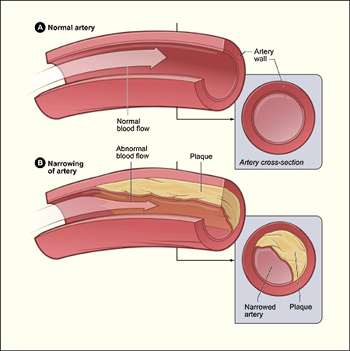
  • Hardening of the arteries
  • Heart attacks in older patients

Digestive System

Poor digestion depletes the body’s nutrients and therefore can actually promote and perpetuate thyroid problems.  Most physicians agree that many disorders of the body seem to start in the intestine. One such example of hypothyroidism’s impact on your digestive system is it’s important role in the manufacturing of many digestive enzymes required to properly digest your food.

Underactive Thyroid Symptoms Connected to Digestive Dysfunction

  • Bad breath
  • Belching
  • Constipation
  • Diarrhea
  • Difficulty in passing bowel movements
  • Digestion difficulties after eating greasy foods or foods high in fat
  • Metallic taste in mouth
  • Nausea, vomiting, or heart burn that gets temporary relief when treated with OTC meds.

Remember that some of you have suffered from these underactive thyroid symptoms for so many years that you have come to believe the way you feel is normal.

It is not!

Many of the underactive thyroid symptoms such as fatigue and exhaustion are a result of your body’s inability to deliver key thyroid hormones to your cells.

Nervous System

The nervous system is a double edged sword when it comes to your thyroid function.  On the one hand, long-term chronic stress can bring on underactive thyroid symptoms, and in turn an underactive thyroid can cause the body to experience high levels of stress. Both promote each other.

Also, when it comes to the body’s nervous system, you can be suffering from these symptoms for years, and never realize the problem are really underactive thyroid symptoms.

Underactive Thyroid Symptoms Connected to the Nervous System

  • Reduced sensation
  • Peripheral nerve damage
  • Memory loss
  • Lack of coordination
  • Hearing loss
  • Dementia

Obviously the underactive thyroid symptoms connected to the nervous system can be very serious.  As is often the case, many of these symptoms can be mistaken for other conditions and a misdiagnosis can result.

These severe symptoms are usually found in cases of hypothyroidism that have gone untreated for many years.

Remember that once your underactive thyroid symptoms are recognized for what they really are, and you begin taking the necessary steps to turn it around, you will begin feeling better than you have for a long time. In many cases people begin to feel like a different person once they have been made aware that their symptoms are actually a result of their thyroid, many of which have endured years of suffering.

Symptoms of Hypothyroidism in Women

Many symptoms are often elusive because there are so many different symptoms and they are connected to such a variety of systems in the body. Probably the most common system that displays symptoms of hypothyroidism is the reproductive system.  Signs that often appear to be indicative of menopause, or pre-menstrual syndrome, often actually turn out to be symptoms of hypothyroidism in women.

Women of all ages can experience hypothyroidism. It’s important to know that the majority of people in all cases of this disorder are women and that while young women can be susceptible to symptoms of hypothyroidism in women as well, the majority of women are over the age of 30 or going through menopause.

If you suspect that your symptoms are in fact the common result of hypothyroidism then be sure run your own therapeutic trial and see if a good hypothyroidism treatment improves your symptoms.

While the condition does affect men as well, the incidence is not nearly as often and the symptoms are different in men than are the symptoms of hypothyroidism in women.

In order to get a good handle on the importance of knowing your body and knowing if you are experiencing any symptoms, let’s take a look at the thyroid and determine what it is and why it’s so important.

Thyroid Gland – The Reason for Symptoms of Hypothyroidism in Women

Like all the glands in your body, the thyroid manufactures hormones. Thyroid hormones control the body’s metabolism. Most of us think of weight gain or loss when we hear the word metabolism, but in reality, the thyroid hormones do much more than merely control your weight.

Not only does the thyroid regulate metabolism and determine the rate of body system functions, but it also controls how fast or slow your body uses the energy it produces.

An overactive thyroid is when the gland produces too much of the hormone; in turn an under-active thyroid produces too little. When a woman has an under-active thyroid, she will eventually develop symptoms of hypothyroidism in women until she begins eating a proper hypothyroidism diet to stimulate and heal her thyroid.

Some of the more common symptoms of hypothyroidism in women are connected to the reproductive system. Let’s take a look at some of those symptoms and then go over some of the other symptoms women experience when the thyroid gland is not working properly.

Symptoms of Hypothyroidism in Women

Reproductive System Symptoms

symptoms of hypothyroidism in women

  • Painful menstrual periods
  • Irregular periods
  • Excessive bleeding or clotting
  • History of miscarriage
  • Difficulty conceiving
  • Uterine Fibroids
  • Postpartum depression
  • Low sex drive
  • Breast milk when not lactating
  • Fibrocystic or “lumpy bumpy” breasts

Although the symptoms of hypothyroidism in women can often be related to the reproductive system, that isn’t always the case.  In fact there are many symptoms that are not at all related. Here is a check list of general symptoms that could be indicating a problem with hypothyroidism:

General Symptoms of Hypothyroidism in Women

  • Weight gain/difficulty losing weight
  • Slowness or slurring of speech
  • Dry, brittle hair
  • Chronic constipation
  • Brittle nails that break easily
  • Hoarseness
  • Persistent cold sores or breakouts
  • Puffy face
  • Puffy fingers or toes
  • High cholesterol levels
  • Low energy level
  • Pain in the neck area
  • Noticeable lump in the neck area

Another way to determine if you may be experiencing symptoms of hypothyroidism in women is to see the check list below which indicates risk factors for the problem.

The following is a list of risk factors that may make you more prone to problems with your thyroid:

Risk Factors for Symptoms of Hypothyroidism in Women

  • Use of lithium based mood stabilizers
  • History of stress or stress related illnesses
  • Use of birth control pills in women
  • History of family member with thyroid disorder
  • Menopause
  • Pre-Menopause

Another symptom of hypothyroidism in women is depression, which is often manifested by the hormones in your body.

Along with menopause, which is a time when many women feel out of sorts or experience depression. In some cases, depression alone is the first warning that something is wrong with the thyroid gland.

There are other symptoms of thyroid that mimic the symptoms of menopause. It’s a good idea to have an understanding of what these are so you can make an educated decision as to whether you are experiencing true symptoms of hypothyroidism or menopause. As mentioned above, sometimes both conditions can occur at the same time.

Symptoms of Hypothyroidism in Women that Mimic Menopause

symptoms of hypothyroidism in women

  • Onset of depression that doesn’t go away in a few days or a week
  • Loss of hair
  • Mood swings
  • Brittle nails
  • Inability to sleep at night
  • Exhaustion
  • Sore breasts
  • Lactation without childbirth
  • Difficulty concentrating
  • Unexplained weight gain
  • Weight shift to midriff area

Unfortunately, most women in their middle years who experience the above symptoms are naturally diagnosed as being menopausal when they are really experiencing hypothyroid symptoms in women.  Although having a hormone level test done is the usual procedure for determining if your thyroid is functioning properly, these tests are not always accurate.

A good number of the tests come back with a negative result, when in fact the real problem is that you are indeed suffering from symptoms of hypothyroidism in women.

Although most symptoms of hypothyroidism in women are not life- threatening, some can be quite serious and must be addressed.  Other systems of the body can be impacted by hypothyroidism and in rare cases lead to serious illness.

That makes it important to not ignore your symptoms. If you can identify with any of those listed here, then you really need to take into consideration that you may have a problem with your thyroid.

Here are some of the other body systems that can be affected by an unhealthy thyroid gland:

  • Cardiac and circulatory system
  • Digestive system
  • Joints and muscles
  • Neurological system

There are a myriad of symptoms in each of these systems that can be indicative of a thyroid disorder.

It is important that you become involved in your own health by familiarizing yourself with the many different symptoms of hypothyroidism in women and determine if any of the symptoms you are currently experiencing may actually be attributed to your thyroid.