Thyroid Symptoms in Men

When you look at the true number of thyroid symptoms, it’s rather staggering even though the medical community takes a blind eye to the majority them. This is particularly a problem with the various thyroid symptoms in men which are often overlooked and dismissed altogether because they have been wrongfully associated with other unrelated health problems and conditions.

But when you consider the fact that your health is largely based on your thyroid and its role in helping your cells to efficiently produce enough energy for you to stay healthy, the far reaching effects of hypothyroidism become much more obvious.

It’s simple really. If your cells don’t get the thyroid hormone or nutrients that they need to be healthy, your health will suffer. And because this can affect any and all of the cells of your body, the thyroid symptoms in men really have few limitations.

Get An Accurate Diagnosis

Most men believe that the thyroid’s only role is with metabolism and that as long as their weight remains stable, they don’t have a problem with their thyroid. However, thyroid symptoms in men are not always accompanied by weight gain. This is a very common misconception today.

Unfortunately current medical testing for low thyroid function or hypothyroidism is not very reliable. Because of this, most men (and women) are wrongfully informed that their there is nothing wrong with their thyroid when the reality is that doctors today are completely dropping the ball.

It’s actually far more accurate to base your diagnosis on a thyroid symptom checklist. But in terms of scientific validation, simply tracking your basal body temperature and your pulse, you can quite accurately diagnose yourself without having to spend money on useless tests.

Even without tracking your temperature and pulse, any of the thyroid symptoms in men can be validated using what is called a therapeutic trial. Simply follow the right hypothyroidism treatment plan and track your symptoms through the process. If you begin to see improvements in your symptoms as your measured thyroid function increases then you’ve just validated your own diagnosis. Even simply adopting a good hypothyroidism diet can be enough to give you the answers that you need.

Of course, it’s always beneficial to have a good understanding and knowledge of the many common thyroid symptoms in men so that you can make your own educated guess as to whether or not your thyroid could be involved. But unfortunately there’s a huge lack of awareness of hypothyroidism today.

Most Concerning Thyroid Symptoms in Men

Most men are rather stubborn when it comes to health problems. They would prefer to wait it out instead of going to see their doctor about any particular health problem. More often than not this is because there’s embarrassment or shame associated with their symptoms. And this is a common reason why so many thyroid symptoms in men are completely missed or go undiagnosed.

Let’s look at some of the most common low thyroid symptoms that you need to know so that you can take a more active role in getting the help that you need to reverse this problem and get your life back in working order.

Common Thyroid Symptoms in Men # 1 – Heart Disease

There are a number of factors that contribute to heart disease and why it’s more prevalent in men than women. For starters, women naturally produce more progesterone than men which gives them far greater protection from heart disease than men.

Studies have shown that men who have heart attacks have much higher levels of estrogen than men who do not. This is important because estrogen rises with the development of hypothyroidism.

High estrogen causes calcium to enter the cells of organs including your heart which leads to calcification of soft tissue and making your heart far less efficient.

There’s also the factor of lactic acid production which naturally increases with hypothyroidism. This increase in lactic acid contributes to the hardening of your arties which further increases your risk of heart disease.

As you can see, by keeping your thyroid healthy you can greatly decrease your risk of one of the deadliest thyroid symptoms in men.

Common Thyroid Symptoms in Men # 2 – Diminished Libido and Infertility

We already established that hypothyroidism leads to an increase in estrogen which has a number of negative health effects. But it also causes a number of other hormonal imbalances. Most notably it causes a decrease in testosterone and progesterone which play an important role in both your libido and sperm production.

Without these important hormones, you’re left with a decreased sex drive and a reduction in sperm production along with other common thyroid symptoms in men which can cause infertility problems, especially if your partner is hypothyroid as well.

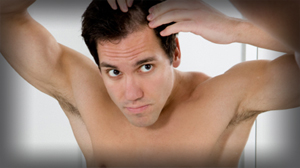
Common Thyroid Symptoms in Men # 3 – Thinning of Hair or Balding
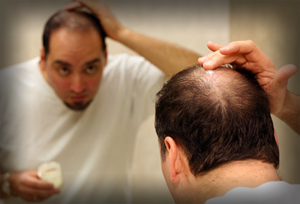
thyroid symptoms in menHair loss is another one of the common thyroid symptoms in men that makes a lot of men uncomfortable.

You’re supposed to be in your prime but instead you find yourself grimacing in front of the mirror, wondering why your hair is thinning and whether or not you’re going bald.


Common Thyroid Symptoms in Men # 4 – Weight Gain and Puffiness

Weight gain and puffiness, especially of the face are two very common hypothyroidism symptoms. But men tend to gain and carry weight a little different than women.

Both men and women deal with considerable weight gain due to water retention. This occurs because as your cells fail to get the thyroid hormone that they need to stay healthy, they become weak and begin to absorb water.

But men are also more susceptible to higher stress hormone levels, one of which is cortisol. Your abdominal region contains a lot of cortisol receptor sites which is why high stress hormones promote fat storage in your abdominal region.

Common Thyroid Symptoms in Men # 5 – Mental Health Issues

thyroid symptoms in menThis is another one of those symptoms that men rarely talked about. But when stress hormones run out of control as is the case commonly found with hypothyroidism, anxiety and depression can take their toll.

Generally, you become very susceptible to stress and it takes very little to put you over the edge which can cause a lot of strain in your relationships and family life.

It’s important to note that this is not strictly some attitude or mental problem that requires counseling. This is caused by hormonal issues that can be corrected. And when you correct your hormones then this and other associated thyroid symptoms in men will practically disappear on their own.

The most important thing you can do as a man suffering from hypothyroidism is to actually educate yourself and get help instead of continuing to ignore the problem that is only going to worsen over time.

By making some simple changes to your diet and correcting some of the hormonal imbalances that exist, you can eliminate all of the common thyroid symptoms in men and get back to enjoying your life and family without all of the unnecessary stress caused by hypothyroidism.
Thyroid Disease Symptoms

Fatigue, depression and weight gain are three often overlooked, but yet quite common thyroid disease symptoms.  Most of us don’t pay much attention to our thyroid gland. Conventional medicine has really done a poor job of practically ignoring it and just “expecting” it to do its job.  The reality is that there are millions of people suffering daily from a number of thyroid disease symptoms, yet they have no idea what is causing these symptoms to occur.

Unfortunately the most commonly used tests to diagnose thyroid disease are not accurate to say the least.  Because of this, it’s extremely important that we spread awareness about the vast number of thyroid symptoms so that people can start addressing this very real and prevalent problem instead of being continuously treated for other non-related health problems..

I’ve already mentioned three of the most common symptoms – but let’s take a closer look at those since they are often mistakenly attributed to other conditions.

Common Thyroid Disease Symptoms # 1 – Fatigue

Fatigue is not only one of the early thyroid disease symptoms, but is also one of the most frustrating. Often it begins with just feeling a little more tired than usual in the afternoon, but can soon progress to the point that you feel exhausted most of the time no matter how much sleep you get.

Everyone enjoys a nap once in a while, but if it becomes a necessity just to get through your day, perhaps you should take a closer look at your symptoms and note any others that can be related to hypothyroidism. Oftentimes these energy lows turn into chronic patterns in your day-to-day life. If you notice that your energy fluctuations follow a daily pattern then this is a pretty good indication that your energy and sleep problems are in fact thyroid disease symptoms.

Common Thyroid Disease Symptoms # 2 – Weight Gain

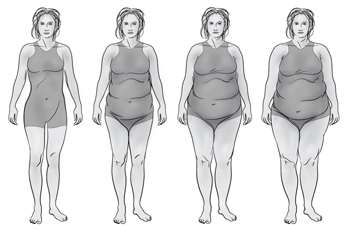
thyroid disease symptomsWeight gain, or weight loss resistance, is one of the most well- known thyroid disease symptoms. Most people understand that thyroid hormones regulate metabolism and that when they are askew, it’s common to start putting on extra pounds. What is lesser known is the fact that dieting for such weight gain is usually fruitless.
The normal response to weight gain is to cut back on your eating.  However, with thyroid disease, it just doesn’t work that way. The less you eat, the slower your metabolism, and the slower your metabolism, the harder it is to lose weight. People often find themselves in a cycle of unsuccessful yo-yo dieting because they fail to understand the drastic influence that their thyroid has on their metabolism.

Common Thyroid Disease Symptoms # 3 – Depression

Depression comes as a surprise to many people who would never think of associating depression with their thyroid gland. However, science continues to shed light on the fact that depression is one of the most common symptoms. It really has to do with how your hormones influence your mood.

While we’ve covered the 3 most common symptoms, there are also a number of other symptoms that need to be mentioned.

Male Specific Thyroid Disease Symptoms

thyroid disease symptomsHypothyroidism can affect all of the body’s systems and can be especially affective at disrupting the male reproductive system.   Symptoms for men can include loss of libido, erectile dysfunction, and even infertility. Fortunately, once you follow the right hypothyroidism treatment protocol to correct the underlying hypothyroidism, these conditions are completely reversible.
There are other common thyroid disease symptoms that are more prevalent in men than women including hair loss or balding, heart disease, and elevated cholesterol just to name a few.

Female Specific Thyroid Disease Symptoms

Just like a man’s reproductive system is oftentimes affected by hypothyroidism, a woman’s reproductive organs are often affected as well. Symptoms range from irregular menstrual cycles to infertility.  It is not unusual for women to have painful cycles that are heavy and last longer than normal. Just like with men, once the underlying cause is addressed, these conditions are reversible.

General Thyroid Disease Symptoms Worth Noting

There are a large number of other thyroid disease symptoms that we’ve yet to cover. In fact, there isn’t enough space in this article to give them all due justice. Below, I’ve listed some additional general symptoms worth noting and that may help indicate whether or not you suffer from hypothyroidism:

Other Common Thyroid Disease Symptoms

  • Joint pain
  • Body stiffness
  • Constipation
  • Sensitivity to cold
  • Dry, itchy skin
  • High cholesterol levels
  • Unexplained aches and pains
  • Water retention
  • Thin, brittle nails
  • Prickling sensation on skin
  • Feel worse after exercise
  • Puffy or swollen eyelids
  • Swollen neck or goiter
  • Arthritis
  • ADD/ADHD
  • Though process feel slow
  • Memory problems
  • Tooth decay
  • Chronic gum infections
  • Sleep apnea/increased snoring
  • Insomnia
  • Difficulty concentrating
  • Tongue swollen
  • Slurred speech
  • Bulging eyes

One of the first things that I do with my clients is to have them fill out a complete thyroid symptom checklist so that they can begin to realize just how far reaching their hypothyroidism really is. Most are dealing with a number of low thyroid symptoms that they never once thought could be related to their thyroid.

I’ve actually made this checklist available to you when you sign up for my free reports and I strongly encourage you to get it and see for yourself. Plus, you’ll get a number of other resources to help you to start taking a much more active role in your health.

If you suffer from any of thyroid disease symptoms that I’ve listed here or even have the slightest inkling that you might be hypothyroid, then I highly recommend you conduct your own therapeutic trial to confirm your own diagnosis. This is a far better option than using any of the highly inaccurate tests used today.

Simply follow a proper hypothyroidism treatment protocol including the right hypothyroidism diet and track your thyroid function through the process. If your symptoms improve along with your measure of thyroid function then you can be fairly certain that your suspicions were correct.

Just keep in mind that the scope of these thyroid disease symptoms is quite vast and that the right treatment option can help you turn your life around and have you back to your old happy and healthy self in no time.

Hypothyroidism in Men

Hypothyroidism in men is often overlooked due to the big misconception that thyroid problems are exclusive only to women.  It’s true that one doesn’t hear a lot about hypothyroidism in men, but it’s not because men aren’t susceptible. On the contrary, many men do suffer from hypothyroidism but unfortunately there is very little awareness and the condition is more often than not, misdiagnosed.

Because most doctors use weight as their main indicator as to the possible involvement of hypothyroidism, they all too often dismiss all of the other hypothyroidism symptoms that their patients present when their weight is not a problem.

Needless to say, there’s men need to do a much better job at recognizing the symptoms and addressing them with the appropriate hypothyroidism treatment.

If not addressed, a lack of thyroid hormone can eventually become a serious health problem which I’ll explain a second. This is why it is so important to have a good understanding of the symptoms of hypothyroidism in men and address the condition sooner than later. The longer you wait, the more difficult and longer the road to recovery.

Common Symptoms of Hypothyroidism in Men

I want to cover some of the more common symptoms of hypothyroidism in men. But do keep in mind that this is just a very short list and there are a lot of other symptoms beyond these. For a more complete list, be sure to check out this list of hypothyroidism symptoms.

And keep in mind that eating the right hypothyroidism diet is key in helping men to overcome hypothyroidism.

Here are just a few of the symptoms of that are important to note:

Fatigue and Hypothyroidism in Men

Fatigue is one of the first signs that your thyroid is either not producing enough thyroid hormone or that your thyroid hormone is not getting delivered to your cells properly.

Hypothyroidism in men, if not addressed, will eventually interfere with your ability do normal activities. Some men report that they feel sluggish or experience a decrease in mobility and reaction time. Many complain that they feel so tired at work that they are concerned about falling asleep on the job.

Many men write fatigue off as something that just occurs with age instead of realizing that it’s not normal and that there is something that you can do about it.

Oftentimes stress hormones can keep you going as long as you stay active but once you sit down and try to relax, the fatigue kicks in and you have a difficult time staying awake.

Weight Gain and Hypothyroidism in Men

hypothyroidism in menWeight gain is yet another symptom that most men completely write off as a byproduct of age. You may have been an avid athlete in your youth but today, your weight is beyond your control.
Your thyroid controls your metabolism so it does play an integral role in the number of calories you burn, but it goes beyond that. Hormonal imbalances that are a byproduct of hypothyroidism play a big role as well. Stress hormones in particular cause fat to accumulate around your midsection.

In any case, slow and unexplained weight gain or the inability to lose weight are both common symptoms of hypothyroidism in men.

Sexual Dysfunction and Hypothyroidism in Men

This is a big one that men typically don’t talk about. But given that the little blue pill is one of the largest grossing drugs every single year, it’s safe to say that many men are relying on a little extra help.

Hypothyroidism can impact a man’s reproductive organs and associated hormones. A study on the Prevalence of sexual symptoms in male Hypo- and Hyper-Thyroid Patients, released by the Journal of Clinical Endocrinology & Metabolism in December, 2005, indicated there is a definite connection between specific sexual problems and hypothyroidism in men.

Research indicated that 64.3 percent of men suffering from hypothyroidism had common sexual problems such as:

  • Delayed ejaculation
  • Erectile dysfunction
  • Infertility
  • Low sex drive
  • Premature ejaculation

The men were examined when their thyroid levels first revealed a problem with their thyroid and again two to four months after their thyroid levels returned to normal range.

Researchers found that men whose thyroid returned to normal function experienced prompt reversal of the symptoms of hypothyroidism in men.

Aches, Pains, and Hypothyroidism in Men

hypothyroidism in menHypothyroidism is also the cause of a lot of muscle aches, pains, cramps, tenderness, and stiffness as well as pain and swelling in the joints.
What have we learned from men so far? That most are going to ignore these symptoms and continue on with their restricted lives instead of dealing with the problem head on.

These aches and pains can be contributed to a number of causes. For starters, poor blood sugar handling is common cause for headaches and migraines, especially when the brain isn’t getting the nutrition it need to function properly.

There’s also the issue of calcium retention that occurs with hypothyroidism. When connective tissue retains calcium, it will begin to calcify the connective tissue leaving you stiff and uncomfortable.

Nutrient and mineral imbalances such as a magnesium deficiency which is also associated with hypothyroidism in men can also lead to aches, pains, and muscle cramps.

The increased estrogen associated with hypothyroidism can cause nerve swelling which can contribute to numbness and MS type pain symptoms.

High Cholesterol and Hypothyroidism in Men

It has been known since the 1940’s that cholesterol increases in direct proportion as thyroid function decreases. Yet today, doctors don’t seem to be aware of this very telling relationship.

In fact, during the 1940’s, doctors used cholesterol as a sign of hypothyroidism and would track it as an indicator that their hypothyroidism treatment plan was working. Your cholesterol will lower to normal levels at the same rate that your thyroid function returns to normal.

The medical community likes to use cholesterol as a risk indicator for heart disease but the truth is that it’s hypothyroidism and its negative effects on your body that lead to heart disease, not cholesterol itself.

Thyroid researcher and scientist Dr. Broda Barnes demonstrated this very phenomenon. In one of his research studies, he showed that by removing the thyroid gland and inducing hypothyroidism, heart disease developed. And by reversing the hypothyroidism, heart disease disappeared.

Even today, high cholesterol is becoming one of the more common hypothyroidism symptoms in women.

These are all common signs and symptoms of hypothyroidism in men that largely go undiagnosed or are diagnosed and improperly treated independent of hypothyroidism. By properly treating your hypothyroidism and taking it seriously, you can literally add years back to your life.

Hypothyroid Diet

You’re probably sitting here reading this without realizing how huge of an impact the right hypothyroid diet can have on your health and energy level.

Most people are quite mistaken when it comes to hypothyroidism and they actually believe that there’s some magic pill out there that is going to solve their problems. So, any chance they get, they grab what some doctor or celebrity is pushing without realizing that these doctors and celebrities have a far greater interest in cashing their endorsement check than they do in you actually getting the results that you deserve.

So, what does this have to do with a hypothyroid diet?

Everything…

You need to understand that without the right hypothyroid diet, your thyroid will not heal, no matter what magic pill you take. If you continue to eat foods that are full of thyroid suppressing toxins then nothing is going to compensate for the damage that you are doing to your thyroid and your hypothyroid symptoms will continue to affect your day to day life.

And yes, you are damaging your thyroid every single day.

Top 3 Foods to Avoid on Your Hypothyroid Diet

Here’s a list of some foods that you probably eat every single day that are full of these thyroid suppressing toxins…

1. Avoid Polyunsaturated Fats on Your Hypothyroid Diet

hypothyroid dietYou might be well aware that polyunsaturated fats have been praised for decades as the “heart healthy” fat that is going to save you from heart disease and protect you from all those deadly saturated fats.
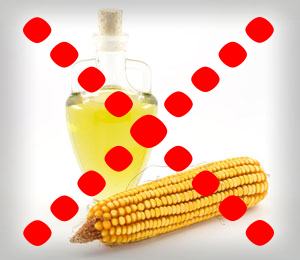
Well, you might NOT be well aware that this is one of the biggest lies of our time and polyunsaturated fats should be avoided at all costs in your hypothyroid diet. In fact, there was never any real scientific basis to make this claim.

Originally, this claim was made because farmers found that polyunsaturated fats were very effective at fattening their livestock making them even bigger ad fatter in shorter periods of time. This was great for farmers because the fatter the animal, the more money they made.

Those who stood to profit from promoting polyunsaturated fats proposed the ridiculous idea that because these fats accelerate growth, they must be healthy. What they didn’t tell you was that while it did accelerate growth, the livestock were suffering from serious health problems and the farmers were struggling to keep them alive long enough to slaughter.

Well, what do we see today now that these polyunsaturated fats are being widely used?

Let’s see… We’re seeing more and more obese people and at younger and younger ages while suffering from major health problems and struggling to stay alive.

It’s a mirror image of what happened with these livestock but for some reason, we are walking around scratching our heads wondering why people are so unhealthy today. It’s time you start taking your hypothyroid diet seriously.

Maybe the fact that polyunsaturated fats also kill your brain cells is playing a factor… who know?

Polyunsaturated fats are one of the most important foods to avoid on your hypothyroid diet because they actually suppress your thyroid on 3 different levels making them one of the most problematic foods for your thyroid.

For starters, they effectively suppress your thyroid gland from secreting the thyroid hormone that your cells need to produce the energy that you need to make it through your day.

But to make matters worse, they also block the transport proteins within your bloodstream which are necessary to take your thyroid hormone and deliver it directly to your cells. So, this means that your cells are not even able to get the little thyroid hormone that your thyroid is producing.

To top it all off, these polyunsaturated fats actually impair your cells from efficiently using thyroid hormone. So, your cells aren’t even able to efficiently use what little thyroid hormone they can get their hands on.

It gets even deeper than that but I hope you get the picture and understand why polyunsaturated fats must be removed from your hypothyroid diet.

2. Avoid Soy Products and Other Legumes on Your Hypothyroid Diet

hypothyroid dietI’m sure you’ve heard of soy or many of the food products that are made from soy such as tofu. In fact, soy is considered to be a “health food” in many circles. Even the Food and Drug Administration (FDA) has praised soy as a health food.
The use of soy as an alternative plant based protein source has become quite popular within the vegetarian and vegan communities who choose not to consume animal products or proteins.

But is it really healthy?

Much like polyunsaturated fats, science has shown time and time again that soy comes with some major health risks which are completely swept under the rug. In fact, it’s been wrongfully praised for properties that actually suppress your thyroid, all because people don’t understand the true effects of soy.

Needless to say, soy is another food that you need to cross off your hypothyroid diet and never consume again in any form.

Soy, as well as all legumes, have very estrogenic properties and can cause the buildup of estrogen to occur in your body. Many doctors have wrongfully praised soy because they believe that estrogen is the answer to female hormone imbalances, especially around menopause. While they are completely wrong, that’s a whole other topic for a different time.

When you consume soy and other legumes, all of which are estrogenic, as part of your hypothyroid diet the estrogens are effective at blocking your thyroid gland from being able to release thyroid hormone. This results in the buildup of thyroid hormone which eventually causes a goiter to form or in many cases, causes Hashimoto’s Thyroiditis.

This also has some greater implications as once you create a condition within your body of excess estrogen, this hormonal balance not only causes hypothyroidism but will continue to inhibit your thyroid long term.

This is why the vast majority of cases require a well designed hypothyroid treatment plan to correct the associated hormonal imbalances before your thyroid can begin to function properly again.

3. Avoid Raw Cruciferous Vegetables on Your Hypothyroid Diet

hypothyroid dietYou’ve been told since you were a kid to “eat your veggies”. But what if not all veggies were actually healthy for you? Yes, there are actually a number of veggies that should be avoided on any diet for hypothyroidism, believe it or not.

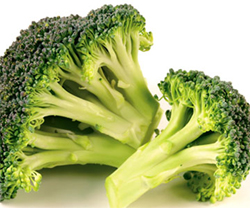
Some of the most commonly used veggies are of the cruciferous variety. Vegetables like broccoli and cauliflower which may seem harmful or even a fun snack idea, actually contain thyroid inhibitors that block your thyroid from functioning properly.

This is why you have to very careful before deciding to eat raw veggies which are also highly touted within the vegetarian and vegan communities.

Cooking these cruciferous vegetables does help to break down these thyroid inhibitors but they need to be cooked very well done and still should not be the focus of your hypothyroid diet.

Just remember that no amount of a bad thing can ever be a good thing.

The right hypothyroidism diet is oftentimes the difference maker between those who get real and permanent results with healing their thyroid and those who see glimmers of hope that quickly fade as they end up right back where they started, or worse.

Keep in mind that these 3 top foods to avoid on your hypothyroid diet are really just the tip of the iceberg. But DO NOT take them for granted because these 3 foods alone can cause serious detrimental damage to your thyroid and you can achieve some significant relief with these simple and minor changes to your hypothyroid diet.